Custom Thermal Labels
Direct Thermal & Thermal Transfer Stock for On-Demand Printing
Thermal labels are printed on your own printer at the moment you need them. Direct thermal prints with heat alone for simple, low-cost short-life labels, while thermal transfer uses a ribbon for a durable, longer-lasting image. We supply both as blank or pre-printed stock in rolls, fanfold and sheets — with the core, size and format matched to your printer — so barcodes and data print sharp and scan cleanly.
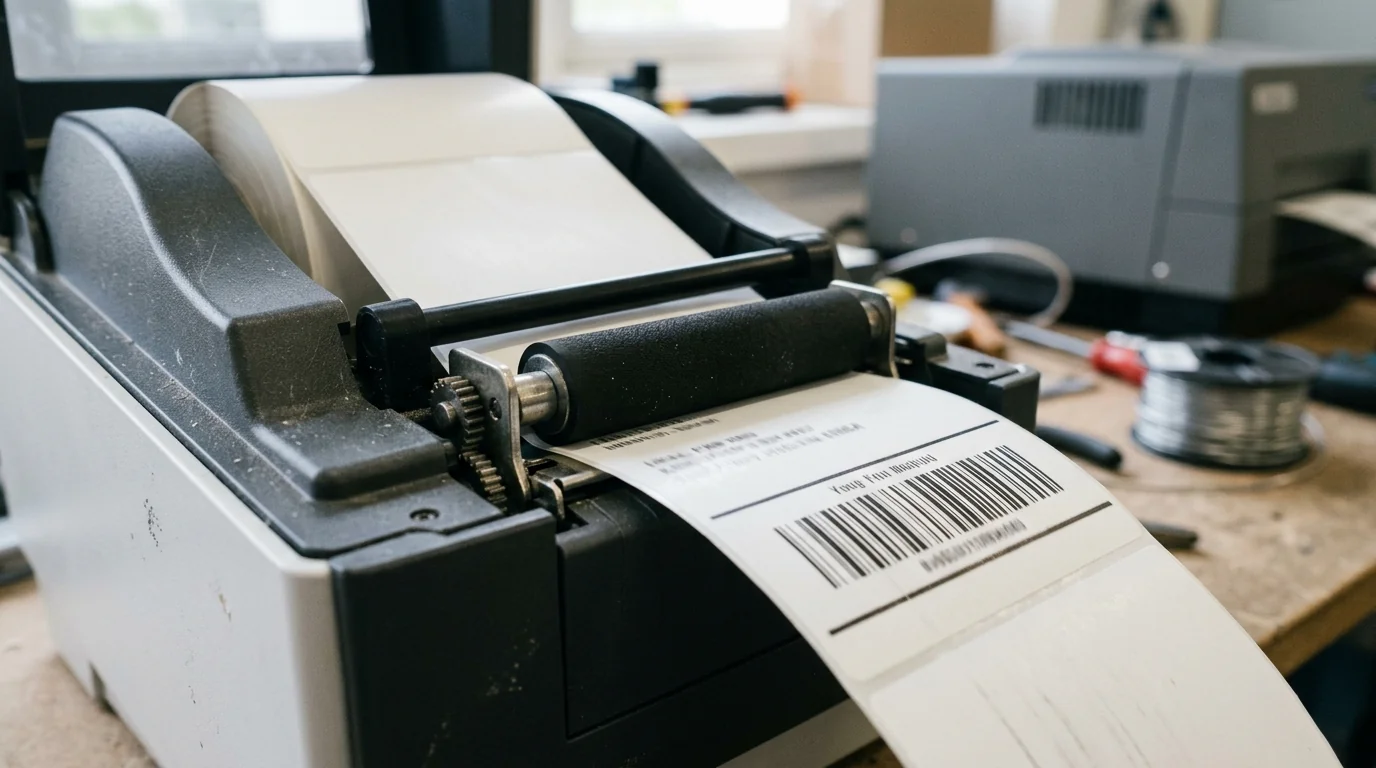
Blank or pre-printed thermal stock — your printer develops the barcode and variable data with heat at the point of use.
What Thermal Labels Are
Thermal labels print on demand using heat, in two main types — plus coating and supply options that decide how they hold up and how you use them.
Direct Thermal
A heat-sensitive coating darkens under the printhead, so no ribbon is needed — the simplest, lowest-cost way to print short-life labels.
Thermal Transfer
A ribbon melts ink onto the label, so the image is more durable and fade-resistant — the choice for longer-life labels.
Top-Coated
A protective top coating improves scratch and smudge resistance on direct-thermal stock, so print stays legible through handling.
Blank or Pre-Printed
Supplied blank for your printer, or pre-printed with fixed branding plus open space for the variable data you print.
How Direct Thermal and Thermal Transfer Differ
The two types print differently and last differently. Here is how each develops an image, and what that means for how long the label stays legible.
Direct Thermal
Heat only · no ribbonHeat from the printhead darkens the coating directly, so it is simple and low-cost — but the image can fade with heat, light or abrasion, which is why it suits short-life labels.
- No ribbon to buy or load
- Fewer consumables to stock and reorder
- Best for short-life shipping and receipts
Thermal Transfer
Ribbon transfers inkA ribbon transfers melted ink onto the label, so the printed image resists scratching and fading far better than direct thermal — which is why it suits longer-life and warehouse labels.
- Scratch- and fade-resistant image
- Prints on paper, BOPP and polyester
- Best for warehouse, asset and long-life labels
Choose by label life: match the stock to how long the label must stay legible — direct thermal for short-life, thermal transfer for anything that has to survive time, handling or storage.
Which Thermal Stock Your Printer Takes
The printer decides the stock before the application does. Match your printer type and label life to the right side of the direct-thermal / thermal-transfer split.
Shipping & Parcel
Desktop or industrial direct-thermal printer, 4×6 rolls or fanfold. Direct thermal: the label is read within days.
Barcode & SKU
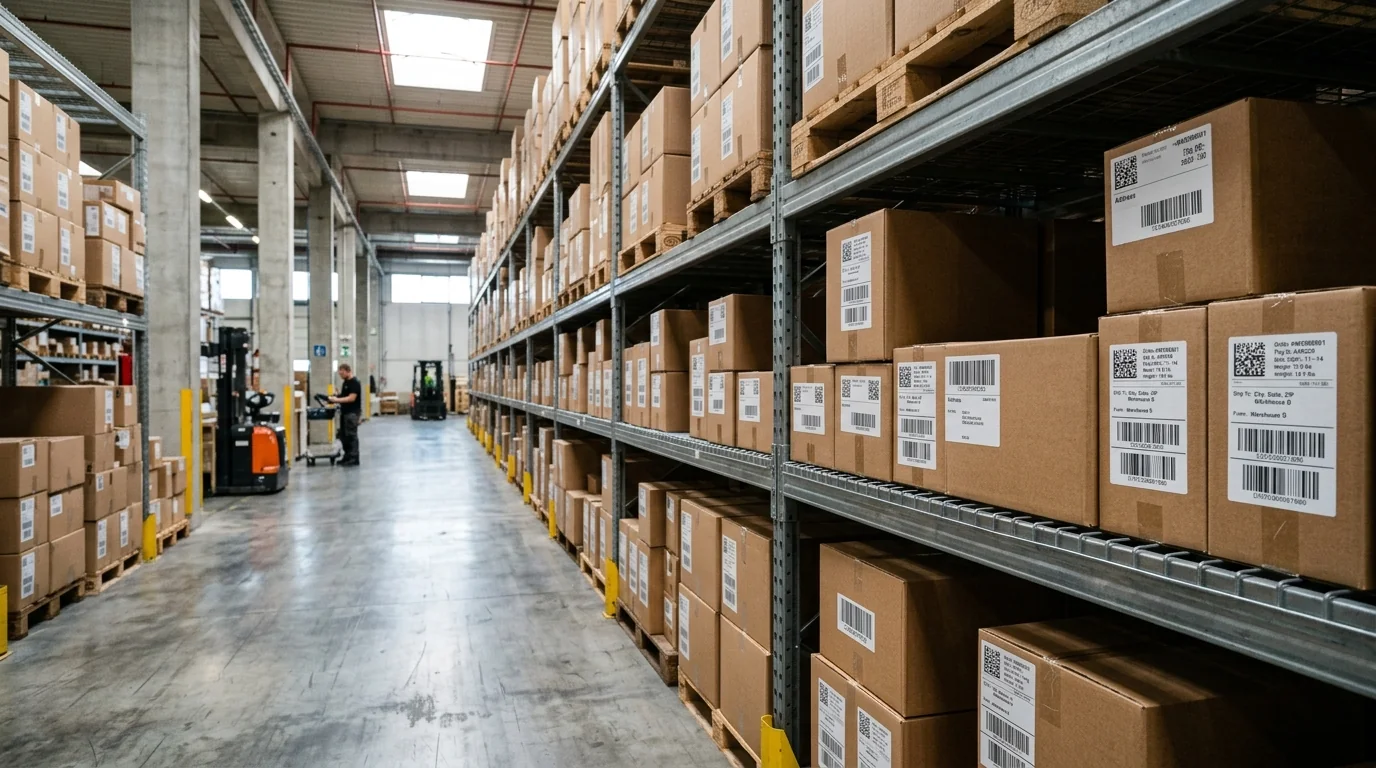
Thermal-transfer with a resin or wax-resin ribbon, so the barcode still scans after months on the shelf.
Warehouse
Thermal-transfer on synthetic stock: rack and bin labels have to outlive the season, not the shift.
Receipts & Tickets
Direct thermal on receipt-grade stock, no ribbon in the printer to change mid-queue.
Food Service
Direct thermal, freezer-grade adhesive, printed at the station and gone within the shelf-life window.
Retail
Price and shelf labels updated on demand as ranges and pricing change.
Thermal Label Specifications and Printer Compatibility
Thermal stock is supplied to match your printer and workflow. These are the specifications we build to, and why each one matters.
When to Choose Direct Thermal or Thermal Transfer
Choose by how long the label needs to last. Here is where each stock is the right call.
Choose Direct Thermal
- Short-life shipping and parcel labels read and scanned within days, not years.
- Receipts, tickets and tags where speed and low cost matter most.
- No ribbon to buy or load, so pack-out stays simple and running cost stays low.
Choose Thermal Transfer
- Warehouse, asset and longer-life labels that must stay legible over time.
- Labels that must resist scratching and fading from handling, light or storage.
- Prints on paper, BOPP or polyester when a tougher face stock is needed.
Thermal Stock Supply Built Around Your Print Volume
Flexible custom thermal label stock for print-on-demand operations — backed by 20+ years of printing experience, 1,200+ brands served and a standard MOQ from 200 pcs.
Direct & Transfer Stock
Both thermal types supplied, so the print method is matched to your printer and how long each label must last.
Printer-Compatible Formats
Rolls, fanfold and sheets with the right core and OD, so stock loads and feeds cleanly on your machines.
High-Contrast Barcode
Stock and print built for sharp, high-contrast barcodes, so codes scan reliably first time on the line.
Blank or Pre-Printed
Supplied blank for full variable print, or pre-printed with fixed branding plus open space for your data.
Standard Sizes incl. 4×6
Common sizes such as 4×6 held ready, with custom sizes cut to your application and printer.
Stock Delivered to the Print Point
Thermal stock is sent to the depot, kitchen or fulfilment floor that runs the printer, not to a central office.
Thermal Labels FAQs
Direct thermal prints with heat and no ribbon for short-life labels; thermal transfer uses a ribbon for a durable, longer-lasting image. Choose by how long the label must stay legible.
Yes. 4×6 is a common size in rolls, fanfold and sheets, with custom sizes made to your application and printer too.
We match core size, outer diameter, format and label size to common desktop and industrial thermal printers, so the stock loads and feeds correctly.
Direct thermal suits short-life labels; heat, light and abrasion can fade the image over time, so choose thermal transfer for longer life.
Yes. We can pre-print fixed branding and leave open space for the variable data you print on your own printer.
Yes. Top-coated direct-thermal stock adds scratch and smudge resistance, so print stays legible through handling.
Yes. Material samples may be available so you can test print and durability on your own printer before production.
Talk Through Your Thermal Label Job
Tell us about your printer, label size, format and order quantity, and our team helps you choose the right direct-thermal or thermal-transfer stock.